Choosing the right website design can make or break your Dubai business’s online success. With mobile users dominating the UAE market and local competition intensifying, selecting a design that engages customers and drives conversions is essential. This guide walks you through proven evaluation criteria and popular website design types, helping you make an informed decision that aligns with your business goals and customer expectations.
Table of Contents
- How To Evaluate Website Design Types For Dubai SMBs
- Popular Types Of Website Designs For Dubai SMBs
- Comparing Website Design Types: Features And Benefits
- Choosing The Right Website Design Type For Your Dubai Business
- Explore Expert Website Design Services In Dubai
Key takeaways
| Point | Details |
|---|---|
| Mobile responsiveness is critical | Over 60% of web traffic comes from mobile devices, making responsive design essential for Dubai SMBs |
| Multiple design types serve different needs | Responsive, CMS-based, e-commerce, landing pages, and custom apps each offer unique benefits |
| SEO integration drives visibility | First-page Google listings capture about 71% of clicks, making SEO a design priority |
| Ongoing maintenance is required | Websites need regular updates, security patches, and content refreshes to stay competitive |
| Business goals guide design choice | Your target audience, budget, and growth plans determine the best design type for your needs |
How to evaluate website design types for Dubai SMBs
Before diving into specific design options, you need clear criteria to guide your selection. The right website design balances aesthetics with functionality, ensuring your site attracts visitors and converts them into customers.
Start with mobile responsiveness. Mobile devices account for over 60% of web traffic globally, with even higher rates in the UAE. Your website must adapt seamlessly to smartphones, tablets, and desktops. A responsive website automatically adjusts layout, images, and navigation to fit any screen size, delivering consistent user experience across devices.
SEO integration directly impacts your ability to attract local customers. First-page Google listings get about 71% of all clicks, making visibility crucial. Your design must support search engine optimization through fast loading speeds, clean code structure, and mobile-friendly layouts.
Consider these additional evaluation factors:
- User experience (UX) and user interface (UI) design that guides visitors naturally toward desired actions
- Maintenance requirements and your capacity to handle ongoing updates
- Security features to protect customer data and build trust
- Loading speed optimization for Dubai’s tech-savvy audience
- Scalability to accommodate business growth and expanded functionality
Your design choice should align with how you plan to use your website. An information-focused site needs different features than an online store. Budget constraints also matter, as custom solutions cost more than template-based designs but offer greater flexibility.
Pro Tip: Test your current website or competitors’ sites on multiple devices to identify responsive design gaps. This hands-on research reveals what works and what frustrates users in your industry.
Popular types of website designs for Dubai SMBs
Understanding the main design categories helps you match solutions to your business needs. Each type offers distinct advantages based on your goals, technical expertise, and customer expectations.
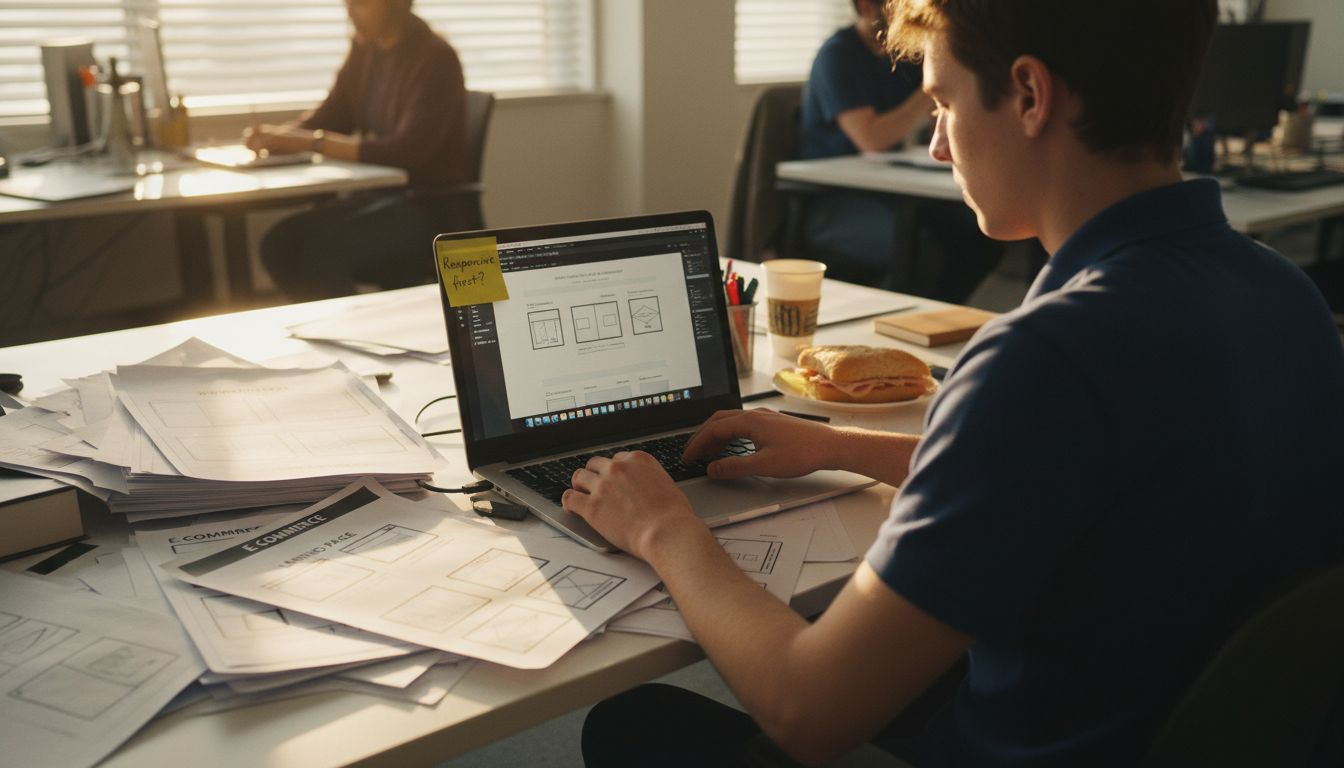
Responsive websites adapt fluidly to any device, automatically resizing content and adjusting navigation for optimal viewing. This design type has become essential for Dubai businesses targeting mobile-first audiences. Responsive sites use flexible grids and CSS media queries to deliver consistent branding and functionality across all platforms.
CMS-based websites provide intuitive backend systems for content management without technical skills. WordPress, Joomla, and Drupal let you update text, images, and pages through simple interfaces. This approach works well for businesses needing frequent content updates like blogs, news sections, or service descriptions. CMS development reduces long-term maintenance costs by empowering your team to handle routine updates independently.
E-commerce websites focus on online sales with product catalogs, shopping carts, payment gateways, and inventory management. Platforms like Shopify, WooCommerce, and Magento offer varying levels of customization and scalability. These designs integrate secure checkout processes, customer accounts, and order tracking essential for building buyer confidence.
Landing pages serve single-purpose campaigns with focused messaging and clear calls to action. These streamlined designs eliminate distractions, guiding visitors toward specific conversions like newsletter signups, quote requests, or product purchases. Landing pages work perfectly for PPC campaigns and targeted marketing efforts.
Custom web applications deliver highly specialized functionality tailored to unique business processes. These solutions require more development time and budget but provide competitive advantages through proprietary features. Consider custom apps when off-the-shelf solutions can’t meet your operational requirements.
User experience and interface design significantly impact how effectively your site engages visitors and drives conversions. Each design type can incorporate strong UX principles, but implementation quality varies based on your development partner’s expertise.
Pro Tip: Start with a responsive CMS website if you’re unsure which type fits best. This combination provides flexibility for content updates while ensuring mobile compatibility, giving you room to evolve as business needs change.
Comparing website design types: features and benefits
Direct comparison helps clarify which design type aligns with your specific business model and growth plans. Each option offers trade-offs between cost, flexibility, and technical requirements.
| Design Type | Best For | Key Benefits | Maintenance Level |
|---|---|---|---|
| Responsive | All businesses needing mobile reach | Works on any device, improves SEO, future-proof | Moderate |
| CMS-based | Content-heavy sites, blogs, news | Easy updates, no coding needed, plugin ecosystem | Low to moderate |
| E-commerce | Online retailers, product sales | Payment integration, inventory management, customer accounts | High |
| Landing pages | Campaign-specific conversions | Focused messaging, high conversion rates, quick to build | Low |
| Custom apps | Complex business processes | Tailored functionality, competitive advantage, scalable | High |
Responsive design works as a foundational approach rather than a standalone category. You can build responsive CMS sites, responsive e-commerce platforms, or responsive landing pages. The responsive element ensures your chosen design type adapts to all devices, making it a must-have feature regardless of your primary category.
CMS platforms shine when you need regular content updates without developer assistance. Your marketing team can publish blog posts, update service descriptions, and add new pages independently. This autonomy reduces ongoing costs and accelerates your ability to respond to market changes.
E-commerce designs require higher maintenance due to security updates, payment gateway compliance, and inventory synchronization. However, the investment pays off for businesses generating significant online revenue. Ongoing maintenance and SEO adjustments keep your store competitive as search algorithms and customer expectations evolve.
Landing pages offer the fastest time to market and lowest initial cost. You can launch targeted campaigns quickly, test different messaging approaches, and refine your value proposition before committing to a full website rebuild. Many businesses use landing pages to validate new product ideas or enter new market segments.
Custom applications cost more upfront but deliver long-term value when your business model depends on unique functionality. Consider this path when competitive advantage requires proprietary features that standard platforms can’t provide. Development timelines extend to months rather than weeks, so plan accordingly.
Budget considerations extend beyond initial design costs. Factor in website design pricing for ongoing hosting, security updates, content creation, and technical support when comparing options.
Choosing the right website design type for your Dubai business
Applying evaluation criteria to your specific situation turns general knowledge into actionable decisions. Your choice should reflect both current needs and future growth plans.
-
Define your primary business goal: Are you focused on generating leads, selling products online, building brand awareness, or providing customer service? Your answer directly influences which design type serves you best.
-
Analyze your target audience: Where do your customers spend time online? What devices do they use? How tech-savvy are they? Dubai’s diverse market requires understanding cultural preferences and browsing behaviors specific to your customer segments.
-
Assess your internal capabilities: Do you have staff who can manage content updates? Can your team handle basic troubleshooting? Your technical capacity determines whether CMS platforms provide value or create frustration.
-
Set a realistic budget: Include initial design costs, ongoing maintenance, hosting fees, and future expansion in your financial planning. Underfunding leads to compromised quality or abandoned projects.
-
Plan for growth: Choose designs that scale with your business. Starting with a simple site makes sense, but ensure your platform can add e-commerce, multilingual support, or custom features as needs evolve.
Prioritizing user experience and engaging interface design improves visitor retention and sales regardless of which design type you select. Strong UX transforms technical features into intuitive experiences that guide customers naturally toward conversions.
Local market knowledge matters significantly in Dubai’s competitive landscape. Work with designers who understand cultural nuances, multilingual requirements, and regional business practices. This expertise prevents costly mistakes and accelerates your path to market.
Integrate essential features from the start rather than adding them later. Business website essentials include contact forms, location maps, service descriptions, and clear calls to action. Building these elements into your initial design costs less than retrofitting them afterward.
Pro Tip: Create a detailed requirements document listing must-have features, nice-to-have additions, and future aspirations before consulting designers. This clarity helps choose the right development company and ensures accurate project estimates.
Explore expert website design services in Dubai
Transforming website design knowledge into a successful online presence requires experienced partners who understand Dubai’s unique market dynamics. Professional design firms deliver custom solutions that align technical excellence with your business objectives.
You’ve learned how different design types serve distinct purposes and which criteria matter most for Dubai SMBs. Now it’s time to partner with specialists who can bring your vision to life. Creative web design combines aesthetic appeal with strategic functionality, creating sites that captivate visitors and drive measurable results.
Experienced teams handle the technical complexity while you focus on running your business. From responsive design implementation to comprehensive SEO integration, professional services eliminate guesswork and accelerate your path to online success. The right partnership transforms your website from a digital placeholder into a powerful business asset that generates leads, builds credibility, and supports sustainable growth in Dubai’s competitive marketplace.
FAQ
What are the key differences between responsive and CMS website designs?
Responsive design refers to how your website adapts visually across devices like phones, tablets, and computers, ensuring consistent appearance and functionality. CMS development provides backend tools for easy content management without coding knowledge. These aren’t mutually exclusive; you can have a responsive CMS website that combines both benefits. Choose based on whether device adaptability or content control is your priority, though most modern sites benefit from both features.
How often should I update my website design after launch?
Plan for minor updates quarterly, including fresh content, security patches, and performance optimizations. Websites require ongoing maintenance and adjustments to remain effective and secure. Major redesigns typically occur every two to three years as technology, design trends, and business needs evolve. However, significant business changes like new services, rebranding, or market expansion may trigger earlier updates.
What role does SEO play in choosing the type of website design?
SEO fundamentally influences design decisions because businesses on Google’s first page receive most clicks, making visibility essential for success. Your chosen design must support fast loading speeds, mobile responsiveness, clean URL structures, and proper heading hierarchies. Local SEO features like schema markup, location pages, and Arabic language support should integrate seamlessly into your design architecture from the start.
Can I switch website design types after my site is already built?
Yes, but the complexity and cost vary depending on how dramatically different the new design type is from your current setup. Moving from a basic responsive site to a CMS platform is relatively straightforward, while converting to e-commerce requires significant backend development. Plan migrations carefully to preserve SEO rankings, maintain URL structures, and avoid downtime. Working with experienced developers minimizes risks and ensures smooth transitions.
What budget should Dubai SMBs allocate for professional website design?
Budgets range from AED 5,000 for basic responsive sites to AED 50,000+ for complex e-commerce or custom applications. Factor in ongoing costs like hosting (AED 4,500-2,000 annually), maintenance (AED 3,000-10,000 yearly), and content updates. Higher initial investments in quality design and development reduce long-term costs by minimizing fixes and rebuilds. Request detailed quotes that break down design, development, content creation, and post-launch support to compare options accurately.
Recommended
- Business website essentials for Dubai SMBs in 2026 – Web Design Dubai – Website Design Company Dubai | NetSoft
- Responsive Website Design in Dubai – Web Design Dubai – Website Design Company Dubai | NetSoft
- Essential ecommerce features for Dubai SMBs 2026 – Web Design Dubai – Website Design Company Dubai | NetSoft
- Web Design Dubai – Website Design Company Dubai | NetSoft
- blog Archieven – DST Connect